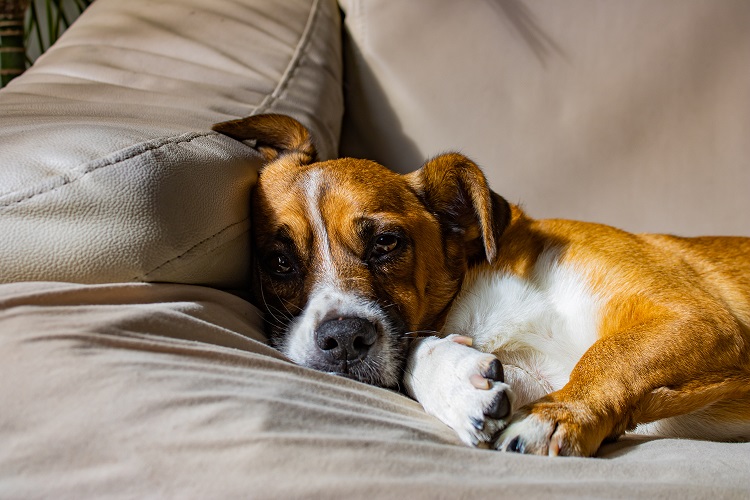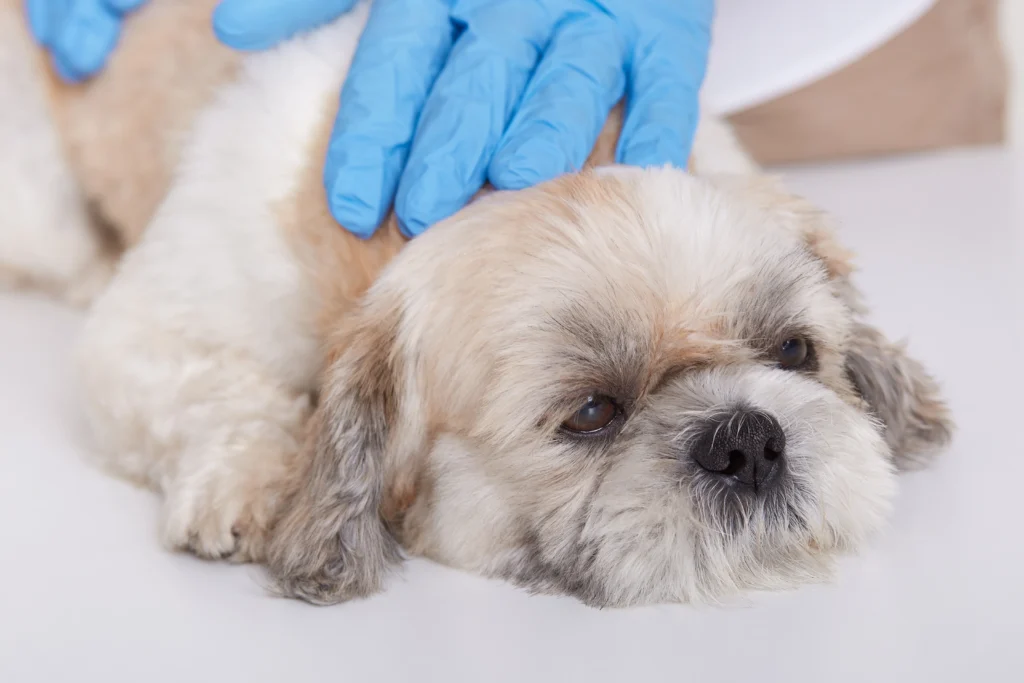
A good night’s sleep is important for your dog’s physical and emotional well-being. While dogs naturally sleep more than humans, changes in their usual sleep pattern can sometimes indicate stress, discomfort, ageing, or an underlying health problem.
If your dog suddenly starts staying awake at night, pacing around the house, whining, barking, panting, or repeatedly changing sleeping positions, it is worth paying attention to these changes. Occasional restlessness may not be a serious concern, but persistent sleep problems should not be ignored.
So, why is your dog having trouble sleeping at night? Let’s explore some common causes, warning signs, and the steps you can take to help your pet.
How Much Sleep Does a Dog Need?
Dogs generally sleep more than people, although their sleep requirements vary depending on their age, breed, activity level, and overall health.
Puppies may sleep for much of the day as they grow and develop. Adult dogs also need plenty of rest, while senior dogs often require additional sleep.
However, a sudden change from your dog’s normal sleeping routine deserves attention. If your dog usually sleeps peacefully but has recently started waking up frequently at night, something may be affecting their comfort or health.
Why Is Your Dog Not Sleeping at Night?
Several factors can affect a dog’s sleep. Some causes are behavioural or environmental, while others may have a medical explanation.
1. Anxiety or Stress
Dogs can experience anxiety due to changes in their surroundings, separation from their owners, loud noises, travel, or changes in their daily routine.
An anxious dog may pace, whine, bark, pant excessively, or constantly seek attention during the night. Identifying and reducing the source of stress can often help improve their sleep.
2. Pain or Physical Discomfort
Pain can make it difficult for a dog to settle down comfortably. Joint problems, injuries, dental problems, digestive discomfort, or other conditions may cause your dog to repeatedly change positions or get up during the night.
Older dogs may experience joint stiffness or arthritis, which can become particularly noticeable when they try to rest.
If your dog appears uncomfortable or reacts when you touch a particular area, consult a veterinarian rather than assuming the problem is simply behavioural.
3. Age-Related Changes
Senior dogs can experience changes in their sleeping and waking patterns as they age. Some may sleep more during the day and become restless at night.
Ageing can also be associated with certain neurological or cognitive changes. If an older dog suddenly becomes confused, restless, vocal, or unusually active at night, a veterinary evaluation can help identify possible causes.
4. Frequent Urination or Increased Thirst
A dog that repeatedly wakes up to drink water or urinate may not be sleeping because of an underlying health issue.
Increased thirst and frequent urination can occur for several reasons, including urinary problems and metabolic or kidney-related conditions. Your veterinarian may recommend blood or urine testing to investigate the cause.
5. Digestive Problems
Vomiting, diarrhoea, abdominal discomfort, bloating, or other digestive problems can disturb your dog’s sleep.
If your dog becomes restless at night and also shows changes in appetite, bowel movements, or behaviour, do not overlook these symptoms. A veterinary examination can help determine whether diagnostic testing is necessary.
6. Changes in Routine or Environment
Dogs often respond to changes in their surroundings. Moving to a new home, introducing another pet, changing feeding times, or altering their exercise routine can temporarily affect their sleep.
Maintaining a consistent bedtime routine, providing a comfortable sleeping area, and giving your dog appropriate exercise during the day may help them settle more easily at night.
Signs That Your Dog’s Sleep Problem Needs Attention
Not every restless night indicates illness. However, you should consider speaking with a veterinarian if the problem continues or appears alongside other symptoms.
Look out for:
- Persistent pacing or restlessness at night
- Excessive panting without an obvious reason
- Frequent whining or unusual vocalisation
- Difficulty getting comfortable
- Increased thirst or urination
- Changes in appetite
- Unexplained weight loss or gain
- Repeated vomiting or diarrhoea
- Coughing or breathing difficulties
- Changes in behaviour or awareness
- Difficulty walking or signs of pain
A combination of symptoms can provide important clues about your dog’s health.
What Can You Do to Help Your Dog Sleep Better?
Start by maintaining a predictable daily routine. Make sure your dog gets appropriate physical activity and mental stimulation during the day. Keep their sleeping area comfortable, quiet, and free from unnecessary disturbances.
You should also observe when the problem started and whether any other symptoms appeared around the same time. This information can be useful when speaking with your veterinarian.
Most importantly, avoid giving your dog human sleep medicines or supplements without veterinary advice. A product that is safe for humans may not be appropriate for dogs, and the correct treatment depends on the underlying cause.
When Should Your Dog Have Diagnostic Testing?
If your dog’s sleep disturbance continues or occurs with other physical or behavioural changes, your veterinarian may recommend diagnostic tests.
Depending on the symptoms, testing may include blood tests, urine examination, biochemistry, hormone testing, imaging, or other veterinary diagnostic investigations.
For pet owners looking for a pathology lab for dog near Newtown, choosing a veterinary-focused diagnostic laboratory can help ensure that the appropriate tests are available for your pet’s needs.
For families in and around eastern Kolkata, veterinary diagnostic services are also accessible through AHPL’s Baguihati and Salt Lake locations. Pet owners in southern Kolkata can consider the Deshapriyo Park location when veterinary diagnostic testing is recommended.
If you are searching for a Pet lab Baguiati Kolkata, it is important to choose a facility experienced in handling veterinary samples and diagnostic requirements rather than relying on a general human pathology laboratory.
Similarly, pet owners looking for a Pet pathology lab in south Kolkata can consider a veterinary diagnostic facility that provides specialised testing for dogs and other companion animals.
Helping Your Dog Get Back to a Healthy Sleep Routine
Your dog’s sleep pattern can tell you a lot about their overall well-being. A temporary change may result from stress, excitement, environmental changes, or a disrupted routine. However, persistent night-time restlessness may sometimes indicate pain or an underlying medical condition.
Instead of focusing only on getting your dog to sleep, pay attention to why their sleep pattern has changed. Observe other symptoms, maintain a consistent routine, and consult your veterinarian when necessary.
With the right combination of veterinary care, appropriate diagnostic testing, and lifestyle adjustments, you can help identify the cause of your dog’s discomfort and support better health and restful sleep.
Frequently Asked Questions
1. Why is my dog suddenly not sleeping at night?
Sudden changes in sleep can occur because of stress, environmental changes, pain, digestive problems, ageing, or an underlying health condition. If the problem persists or occurs with other symptoms, consult your veterinarian.
2. Is it normal for older dogs to be restless at night?
Older dogs can experience changes in their sleep patterns. However, frequent night-time restlessness, confusion, pacing, or unusual vocalisation should be discussed with a veterinarian to rule out medical or age-related conditions.
3. Can a blood test help determine why my dog is restless at night?
A blood test may help identify certain underlying health problems depending on your dog’s symptoms. Your veterinarian can determine which diagnostic tests are appropriate after examining your pet.
4. Should I give my dog a sleeping medicine?
Do not give your dog human sleeping medication or supplements without veterinary guidance. Some substances can be unsafe for dogs, and treatment should address the underlying reason for the sleep disturbance.
5. Where can I get diagnostic tests for my dog in Kolkata?
Pet owners in Kolkata can access veterinary diagnostic services through AHPL locations including Baguihati, Salt Lake, and Deshapriyo Park. The appropriate test will depend on your dog’s symptoms and your veterinarian’s recommendation.