
Bringing home a new puppy or kitten is an exciting milestone. Along with providing proper nutrition, vaccinations, and plenty of love, ensuring your new companion receives regular health screenings is one of the best investments you can make in their lifelong well-being.
The first year is a period of rapid growth and development. During this time, puppies and kittens are more vulnerable to congenital conditions, infectious diseases, intestinal parasites, nutritional deficiencies, and developmental disorders. Routine pet diagnostic tests help veterinarians detect health problems early—often before visible symptoms appear—allowing prompt treatment and better long-term outcomes.
This guide explains the essential diagnostic tests your puppy or kitten may need during the first year and why they are important.
Quick Answer
Puppy and kitten health screening typically includes a physical examination, blood tests, fecal examination, parasite screening, urine analysis, imaging (when required), and other diagnostic tests recommended by your veterinarian. These pet diagnostic tests help identify infections, congenital disorders, parasites, and organ-related diseases early, ensuring healthy growth and development.
Why Is Health Screening Important During the First Year?
Young pets grow quickly, and many medical conditions can develop without obvious signs.
Routine health screening through pet diagnostic tests helps veterinarians:
- Detect diseases early.
- Monitor growth and development.
- Identify congenital abnormalities.
- Prevent the spread of infectious diseases.
- Recommend timely treatment.
- Establish a lifelong health baseline.
Early diagnosis often results in simpler treatment, lower medical costs, and a healthier life for your pet.
Essential Diagnostic Tests for Puppies and Kittens
1. Complete Physical Examination
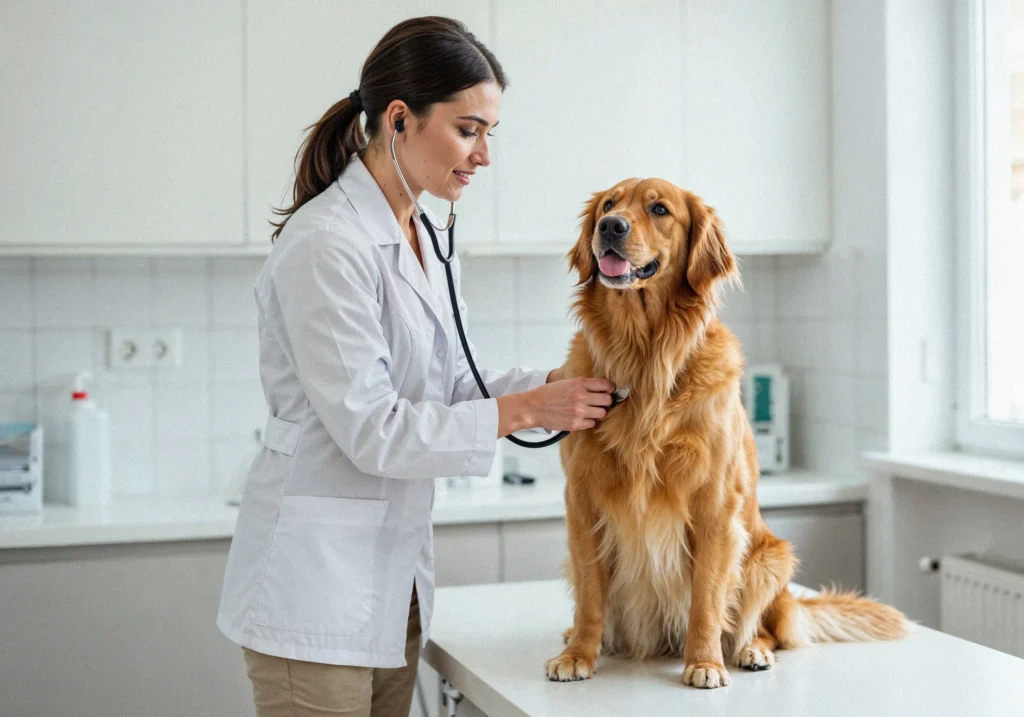
Every health screening begins with a comprehensive physical examination.
Your veterinarian evaluates:
- Weight and body condition
- Heart and lung function
- Eyes and ears
- Teeth and gums
- Skin and coat
- Joints and mobility
- Temperature
- Hydration status
This examination helps identify visible abnormalities and determines whether additional pet diagnostic tests are needed or not.
2. Blood Tests
A puppy blood test or kitten blood test provides valuable information about your pet’s overall health.
Blood tests help assess:
- Red blood cells
- White blood cells
- Platelet count
- Liver function
- Kidney function
- Blood glucose
- Electrolytes
- Signs of infection or inflammation
Even healthy-looking pets can have underlying conditions that are only detected through laboratory testing.
3. Fecal Examination
Intestinal parasites are extremely common in young animals.
A fecal examination checks for:
- Roundworms
- Hookworms
- Whipworms
- Tapeworms
- Coccidia
- Giardia
Some intestinal parasites can also affect humans, making early diagnosis important for both pets and families.
4. Parasite Screening
External parasites can cause discomfort and transmit serious diseases.
Your veterinarian checks for:
- Fleas
- Ticks
- Mites
- Lice
Routine parasite screening supports effective prevention and treatment throughout the year.
5. Urine Analysis
Although often associated with older pets, urine testing can also reveal health problems in puppies and kittens.
A urinalysis may detect:
- Urinary tract infections
- Kidney abnormalities
- Dehydration
- Diabetes
- Crystal formation
Combined with blood tests, urine analysis provides a more complete picture of your pet’s health.
6. Diagnostic Imaging
If your veterinarian suspects an internal problem, imaging may be recommended.
Common diagnostic imaging includes:
Pet Ultrasound (USG)
Pet USG helps evaluate:
- Liver
- Kidneys
- Bladder
- Intestines
- Spleen
- Reproductive organs
Digital X-Ray
X-rays for pets are useful for assessing:
- Bones
- Fractures
- Joint development
- Chest conditions
- Swallowed foreign objects
These imaging techniques allow veterinarians to diagnose conditions that cannot be identified during a physical examination alone.
7. Infectious Disease Testing
Young pets have developing immune systems and may be more susceptible to infectious diseases.
Depending on your pet’s age, lifestyle, and vaccination history, your veterinarian may recommend tests for specific bacterial, viral, or parasitic infections.
Early diagnosis helps prevent complications and reduces the risk of disease transmission.
8. Molecular Diagnostics (PCR)
Modern veterinary medicine increasingly uses PCR (Polymerase Chain Reaction) testing to identify infectious diseases with high accuracy.
PCR testing helps detect:
- Viral infections
- Bacterial infections
- Tick-borne diseases
- Genetic material from pathogens
Because PCR can identify infections even in the early stages, it supports faster diagnosis and timely treatment.
When Should Puppies and Kittens Be Screened?
Although every pet is different, veterinarians commonly recommend health evaluations:
- During the first veterinary visit.
- Before each vaccination appointment.
- When your pet shows unusual symptoms.
- Before surgery or anesthesia.
- At routine wellness check-ups during the first year.
Your veterinarian will recommend a screening schedule based on your pet’s breed, age, medical history, and lifestyle.
Warning Signs That Should Never Be Ignored
Contact your veterinarian promptly if your puppy or kitten experiences:
- Vomiting
- Diarrhea
- Loss of appetite
- Weight loss
- Persistent coughing
- Difficulty breathing
- Blood in urine or stool
- Lethargy
- Swollen abdomen
- Difficulty walking
These symptoms may indicate conditions that require immediate diagnostic evaluation.
How Pet Owners Can Support Healthy Development
In addition to regular health screenings:
- Provide a balanced, age-appropriate diet.
- Follow the recommended vaccination schedule.
- Maintain parasite prevention.
- Ensure access to clean drinking water.
- Encourage regular exercise and play.
- Attend routine veterinary check-ups.
- Monitor your pet for behavioral or physical changes.
Preventive care is one of the most effective ways to help puppies and kittens thrive.
Advanced Veterinary Diagnostic Support at AHPL
At Animal Health Pathology Lab (AHPL), we support veterinarians with comprehensive diagnostic services that enable early disease detection and accurate clinical decision-making.
Our advanced diagnostic capabilities include:
- Clinical Pathology
- Hematology
- Biochemistry
- Parasitology
- Microbiology
- Histopathology
- Cytology
- Molecular Diagnostics (PCR)
- Veterinary Ultrasound (USG)
- Digital X-Ray
With experienced professionals, advanced technology, and a commitment to quality, AHPL helps veterinarians deliver timely and reliable diagnoses that improve patient outcomes.
Final Thoughts
The first year of a puppy’s or kitten’s life lays the foundation for lifelong health. Routine puppy and kitten health screening allows veterinarians to identify hidden illnesses, monitor growth, detect parasites, and diagnose diseases before they become serious.
By combining regular veterinary examinations with appropriate diagnostic testing, pet owners can give their newest family members the best possible start in life. Early detection not only improves treatment outcomes but also helps ensure many healthy and happy years together.
Frequently Asked Questions (FAQs)
1. Why is health screening important for puppies and kittens?
Health screening helps detect infections, parasites, congenital conditions, and organ-related diseases early, allowing prompt treatment and supporting healthy growth.
2. When should my puppy or kitten have its first health screening?
Your pet should have its first health examination as soon as possible after coming home or as recommended by your veterinarian.
3. What blood tests are commonly performed during the first year?
Common tests include a complete blood count (CBC), biochemistry profile, and other laboratory tests based on your veterinarian’s recommendations and your pet’s health.
4. Do healthy puppies and kittens need diagnostic tests?
Yes. Many medical conditions do not show obvious symptoms in the early stages. Routine diagnostic testing helps identify hidden health problems before they become serious.
5. How often should my puppy or kitten be screened?
The frequency depends on your pet’s age, breed, medical history, and vaccination schedule. Your veterinarian will recommend an appropriate screening plan.
6. Why is a fecal examination necessary?
Fecal testing detects intestinal parasites such as roundworms, hookworms, tapeworms, Giardia, and coccidia, allowing early treatment and reducing the risk of transmission.
7. Can puppies and kittens undergo ultrasound or X-rays?
Yes. Veterinary ultrasound and digital X-rays are safe diagnostic tools used when internal health conditions, injuries, or developmental concerns are suspected.
8. What is PCR testing in veterinary medicine?
PCR (Polymerase Chain Reaction) is an advanced laboratory technique used to detect the genetic material of bacteria, viruses, and parasites with high sensitivity, often before clinical signs become severe.
9. What signs indicate my puppy or kitten needs immediate veterinary attention?
Persistent vomiting, diarrhea, loss of appetite, breathing difficulties, lethargy, blood in urine or stool, or sudden behavioral changes should be evaluated by a veterinarian as soon as possible.
10. How do routine diagnostic tests benefit my pet in the long term?
Routine screening establishes a health baseline, supports early disease detection, guides preventive care, and helps veterinarians provide timely treatment, improving your pet’s overall quality of life.